
Exploring the realm of Best Home Automation and Security Systems for 2025, this introduction sets the stage for a detailed discussion on the latest technologies and trends that are shaping our homes in the upcoming years.
Providing insights into the integration of smart devices, security systems, and energy efficiency features, this guide aims to inform and inspire readers seeking to transform their living spaces into smart, secure, and sustainable environments.
Overview of Home Automation Systems
Home automation refers to the use of technology to control and automate household devices and systems, providing convenience, energy efficiency, and security to homeowners. This technology allows for the remote monitoring and management of various aspects of a home, such as lighting, heating, air conditioning, security cameras, and more.
The evolution of home automation technology has seen significant advancements over the years, from simple timer-based systems to sophisticated smart home solutions. These systems now integrate cutting-edge technology like artificial intelligence, machine learning, and Internet of Things (IoT) devices to create seamless and intelligent automation experiences for homeowners.
Integration of Smart Devices in Home Automation Systems
Smart devices play a crucial role in the functionality of modern home automation systems. These devices, such as smart thermostats, smart locks, smart lighting, and voice-controlled assistants, can be connected to a central hub or network to enable seamless communication and control.
- Smart thermostats like Nest Learning Thermostat can learn your schedule and adjust the temperature accordingly, saving energy and providing comfort.
- Smart security cameras like Ring Video Doorbell offer real-time monitoring and alerts, enhancing home security and peace of mind.
- Voice-controlled assistants like Amazon Alexa or Google Assistant allow for hands-free control of various connected devices, making home automation more convenient and accessible.
Importance of Security Systems in Home Automation
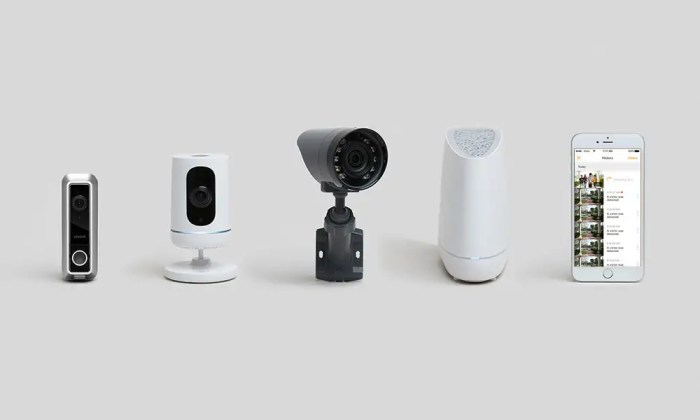
In a smart home setup, security systems play a crucial role in ensuring the safety and protection of the residents and their property. These systems not only provide peace of mind but also offer advanced features to enhance home security.
Role of Security Cameras in Home Automation
Security cameras are an integral part of home automation for monitoring and surveillance purposes. They allow homeowners to keep an eye on their property remotely, deter potential intruders, and provide evidence in case of any security incidents.
Benefits of Smart Locks and Alarms
Smart locks and alarms are essential components of a home security system in automation. Smart locks offer keyless entry, allowing homeowners to control access to their homes digitally. On the other hand, smart alarms alert residents and authorities in case of security breaches, such as unauthorized entry or unusual activities.
Emerging Technologies in Home Automation and Security
As technology advances, the landscape of home automation and security systems is constantly evolving. Let's explore some of the latest advancements shaping the future of smart homes.
AI-Powered Home Automation
Artificial Intelligence (AI) is revolutionizing home automation by enabling systems to learn and adapt to homeowners' preferences. AI-powered devices can analyze data, anticipate your needs, and automate tasks to make your home more efficient and convenient.
IoT Devices in Connected Homes
The Internet of Things (IoT) has paved the way for creating a connected home environment where devices can communicate and work together seamlessly. From smart thermostats to security cameras, IoT devices offer greater control and monitoring capabilities for homeowners.
Voice Assistants
Alexa and Google Assistant
Alexa and Google Assistant
Voice assistants like Alexa and Google Assistant are becoming central figures in smart homes, allowing users to control various devices using voice commands. These assistants can manage tasks, provide information, and enhance the overall convenience and accessibility of home automation systems.
Energy Efficiency and Sustainability Features
Home automation systems play a crucial role in optimizing energy usage, leading to increased energy efficiency and sustainability.
Smart Thermostats and Lighting
Smart thermostats and lighting systems are key components of home automation that significantly contribute to energy efficiency. These devices allow homeowners to control their heating, cooling, and lighting systems remotely, ensuring that energy is only used when needed. Smart thermostats can learn household patterns and adjust the temperature accordingly, leading to reduced energy consumption.
Similarly, smart lighting systems can be programmed to turn off when rooms are unoccupied or adjust brightness levels based on natural light, further saving energy.
Integration of Renewable Energy Sources
Modern home automation systems are increasingly integrating renewable energy sources such as solar panels and wind turbines. These systems enable homeowners to generate their electricity, reducing reliance on traditional energy sources and lowering utility bills. By harnessing renewable energy, homes can become more sustainable and environmentally friendly, contributing to a greener future.
Last Word
As we conclude our exploration of Best Home Automation and Security Systems for 2025, it becomes evident that the future of residential living is intertwined with innovative technologies that prioritize convenience, safety, and sustainability. Embracing these advancements can undoubtedly elevate the quality of life within our homes, ushering in a new era of connected living spaces.
FAQs
How can home automation systems benefit homeowners?
Home automation systems can enhance convenience, security, and energy efficiency in homes by allowing remote control of various devices and creating automated routines.
What are the advantages of using smart locks and alarms in home security?
Smart locks and alarms offer advanced security features such as remote access control, real-time alerts, and integration with other smart devices for a comprehensive security solution.
How do IoT devices contribute to creating a connected home environment?
IoT devices enable seamless communication and automation between various smart devices, allowing for a cohesive and integrated smart home ecosystem.