
Embark on a journey into the realm of health insurance for remote business teams. As the landscape of work evolves, ensuring the well-being of your virtual workforce becomes paramount. Let's explore the intricacies of providing the best health insurance for remote teams.
Delve deeper into the nuances of selecting, implementing, and managing health insurance for remote employees to create a robust support system for your distributed team.
Overview of Remote Business Teams
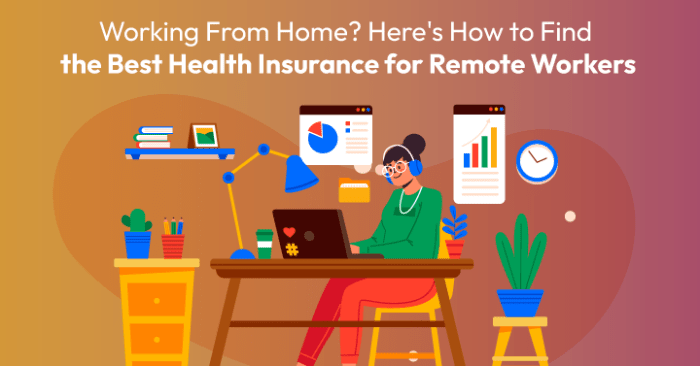
Remote business teams are groups of employees who work together on projects and tasks from different locations, often communicating and collaborating virtually. These teams are becoming increasingly common in today's digital age, allowing companies to access top talent from around the world without the need for a physical office.Remote teams face unique challenges compared to traditional in-person teams.
Some of these challenges include communication barriers, time zone differences, feelings of isolation, and difficulty in building trust among team members. Without the physical presence of colleagues, remote employees may struggle to feel connected to the company and its mission.Health insurance is crucial for remote employees as it ensures that they have access to quality healthcare services regardless of their location.
This benefit provides peace of mind to employees, knowing that they can receive medical care when needed without worrying about high costs. Additionally, offering health insurance can help companies attract and retain top talent in a competitive job market, especially when recruiting remote workers from different regions or countries.
Factors to Consider in Selecting Health Insurance
When choosing health insurance for remote teams, there are several key factors to consider to ensure the best coverage for your employees. It's important to compare different types of health insurance plans suitable for remote employees and understand the importance of coverage for virtual healthcare services.
Types of Health Insurance Plans
- Traditional Health Insurance: Offers comprehensive coverage for in-person medical services but may have limited coverage for virtual care.
- Telemedicine Plans: Specifically designed to cover virtual healthcare services, providing easy access to doctors and specialists remotely.
- Health Savings Account (HSA): Combines a high-deductible health plan with a savings account, offering tax benefits for both employers and employees.
Importance of Coverage for Virtual Healthcare Services
Virtual healthcare services have become increasingly popular, especially for remote teams. Having coverage for virtual care allows employees to access medical consultations, prescriptions, and mental health services from the comfort of their homes. This not only improves convenience but also promotes better health outcomes by encouraging employees to seek timely medical attention.
Best Health Insurance Options for Remote Business Teams
When it comes to selecting the best health insurance for remote business teams, it's essential to consider the specific needs and preferences of your employees. Analyzing popular health insurance providers that offer plans for remote teams can help you make an informed decision based on coverage, costs, and benefits.
Popular Health Insurance Providers for Remote Teams
- Blue Cross Blue Shield: Known for its nationwide network of healthcare providers, offering comprehensive coverage for remote employees.
- Aetna: Provides a variety of health insurance plans with telemedicine options, ideal for remote teams seeking virtual healthcare services.
- Cigna: Offers customizable health insurance plans tailored to the needs of remote business teams, including mental health support and wellness programs.
Comparison of Coverage, Costs, and Benefits
- Blue Cross Blue Shield: High coverage rates with competitive costs, but limited flexibility in plan customization.
- Aetna: Affordable options with extensive telemedicine benefits, suitable for remote teams looking for virtual healthcare solutions.
- Cigna: Comprehensive coverage with emphasis on mental health and wellness, providing a holistic approach to employee well-being.
Flexibility and Customization Options
- Blue Cross Blue Shield: Limited customization but offers a wide range of network providers for remote employees to choose from.
- Aetna: Flexible plans that allow remote teams to tailor coverage based on their specific needs, including telehealth services and wellness programs.
- Cigna: Customizable plans designed to support the unique health and wellness goals of remote business teams, with options for mental health resources and preventive care.
Implementing and Managing Health Insurance for Remote Teams
Implementing and managing health insurance for remote teams is crucial to ensure the well-being and satisfaction of your distributed workforce. Here is a step-by-step guide on how to effectively handle health insurance for remote employees:
Step-by-Step Guide
- Evaluate the Needs: Understand the specific health insurance needs of your remote team members by conducting surveys or interviews to gather information.
- Research Providers: Explore different health insurance providers that offer coverage for remote employees and compare their plans and pricing.
- Choose a Plan: Select a health insurance plan that meets the needs of your remote team while also being cost-effective for your business.
- Communicate Clearly: Clearly communicate the details of the health insurance plan, including coverage, costs, and how to access benefits, to your remote team members.
- Provide Support: Offer assistance to your remote employees in navigating their health insurance benefits and addressing any questions or concerns they may have.
- Monitor and Adjust: Regularly review the effectiveness of the health insurance plan for your remote team and make adjustments as needed to ensure optimal coverage.
Best Practices for Managing Health Insurance Benefits
- Centralized Administration: Utilize a centralized platform or system to manage health insurance benefits for all remote employees, ensuring consistency and efficiency.
- Regular Communication: Keep remote team members informed about any updates or changes to their health insurance benefits to promote transparency and trust.
- Feedback Mechanism: Establish a feedback mechanism for remote employees to share their experiences with the health insurance plan and suggest improvements.
- Compliance Monitoring: Stay up-to-date with regulations and compliance requirements related to health insurance for remote employees to avoid any legal issues.
Role of Technology in Health Insurance Administration
- Online Enrollment: Use online platforms for remote employees to enroll in health insurance plans easily and access important information about their coverage.
- Telemedicine Services: Implement telemedicine services as part of the health insurance plan to provide remote employees with convenient access to healthcare professionals.
- Data Security Measures: Employ robust data security measures to protect the personal and health information of remote employees stored in the health insurance system.
- Automation of Processes: Automate administrative tasks related to health insurance administration to streamline processes and reduce manual workload.
Final Thoughts

In conclusion, prioritizing the health and wellness of your remote business teams through comprehensive health insurance is not just a choice, but a necessity in today's dynamic work environment. By offering the best health insurance options, you can empower your team to thrive and succeed in their professional endeavors.
FAQ Resource
What are the key factors to consider when choosing health insurance for remote teams?
Key factors include coverage for virtual healthcare services, flexibility in plan options, and the ability to customize plans based on the needs of remote employees.
How can health insurance benefits be effectively managed for a distributed team?
Effective management involves clear communication of benefits, utilizing technology for administration, and ensuring that remote employees have access to necessary resources for healthcare.
Which popular health insurance providers offer plans suitable for remote business teams?
Providers like Aetna, Cigna, and UnitedHealthcare offer tailored health insurance plans designed to meet the unique needs of remote employees.